
To stay competitive, businesses must adapt to changing consumer behaviors and evolving technology. A customer-centric approach is essential for creating unified campaigns that truly connect with your target audience.
By developing a clear omnichannel marketing strategy, you can engage customers seamlessly across every touchpoint — from social media and email to your website and in-store experience.
For many companies, partnering with experienced omnichannel marketing services helps accelerate this transition, ensuring the strategy is implemented correctly, efficiently, and in line with best practices from day one.
Key Takeaways
- Unified, customer-centric campaigns are essential for business success.
- An effective omnichannel strategy boosts customer engagement across all touchpoints.
- Adapting to changing consumer behaviors and technologies is critical.
- A customer-first mindset leads to more impactful marketing efforts.
- Utilise multiple channels; social media, email, website, and in-store; creates a consistent brand experience.
- Companies with strong omnichannel strategies retain an average of 89% of their customers, compared to just 33% for those with weak engagement .
The Power of Omnichannel Marketing in Today’s Connected World
In today’s interconnected world, omnichannel marketing has become a crucial strategy for businesses to engage with their customers effectively. Research indicates that 73% of customers use multiple channels during their shopping journey, making a seamless approach no longer optional but essential . As customers increasingly interact with brands across multiple touchpoints, businesses must adapt to provide a seamless and integrated experience. Leveraging professional omnichannel marketing services allows brands to meet these elevated expectations without the steep learning curve of managing complex integrations internally.
What Makes Omnichannel Different from Multichannel
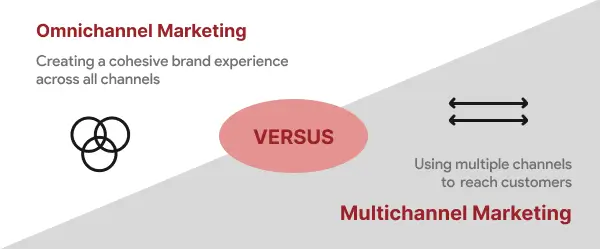
Omnichannel marketing differs significantly from multichannel marketing. While multichannel marketing involves using multiple channels to reach customers, omnichannel marketing focuses on creating a cohesive brand experience across all channels . This approach ensures that customers have a consistent and personalised interaction with the brand, regardless of the channel they use. In an omnichannel model, the channels are interconnected; in a multichannel model, they often operate in silos.
Key Benefits of an Effective Omnichannel Approach
Implementing an effective omnichannel strategy can bring numerous benefits to businesses. Some of the key advantages include:
| Benefit | Description | Impact |
| Increased Customer Engagement | Consistent brand experience across channels | Improved customer loyalty and higher interaction rates |
| Enhanced Customer Insights | Unified customer data across channels | Better-informed marketing decisions and personalisation |
| Improved Customer Retention | Personalised experiences across touchpoints | Increased customer lifetime value |
| Higher Revenue | Seamless shopping experiences | 63% of online sales attributed to omnichannel growth |
By adopting an omnichannel approach, businesses can create a cohesive and personalised customer experience, driving engagement, loyalty, and ultimately, revenue growth. Organisations that effectively integrate customer data across channels see a 20% increase in customer satisfaction .
Defining Your Omnichannel Strategy Goals
Before diving into the implementation of an omnichannel strategy, it’s essential to establish what we want to achieve. This foundational step ensures that our efforts are directed toward tangible outcomes that align with our business objectives and customer expectations. Many businesses turn to specialised omnichannel marketing services at this stage to help define and document these goals with precision.
Setting Clear Business Objectives
To develop an effective omnichannel strategy, we need to set clear business objectives. This involves identifying what we want to accomplish, whether it’s increasing sales, improving customer engagement, or enhancing brand awareness. By having well-defined objectives, we can focus our efforts on achieving specific, measurable outcomes. Experts recommend that goals be precise, clear, and easily measurable, whether they focus on raising brand awareness, boosting conversions, or increasing engagement .
Aligning Marketing Goals with Customer Needs
Our marketing goals should be closely aligned with the needs and preferences of our customers. This requires a deep understanding of our target audience, including their behaviors, preferences, and pain points. By doing so, we can create an omnichannel experience that resonates with our customers and drives meaningful interactions. A customer-first approach ensures that marketing efforts align with how people actually interact with brands in their daily lives .
Establishing Measurable Success Metrics
To gauge the success of our omnichannel strategy, we need to establish measurable metrics. This could include tracking customer satisfaction, conversion rates, or social media engagement. It’s important to consider local market trends and consumer behaviors when defining these metrics.
| Metric | Description | Target Value |
| Customer Satisfaction | Measure of customer happiness | 85% |
| Conversion Rate | Percentage of visitors who make a purchase | 5% |
| Social Media Engagement | Level of interaction on social media platforms | 20% increase |
| Customer Retention | Percentage of customers retained | 89% |
By setting clear objectives, aligning with customer needs, and establishing measurable metrics, we can develop a robust omnichannel strategy that drives real results in the market.
Mapping the Customer Journey Across Channels
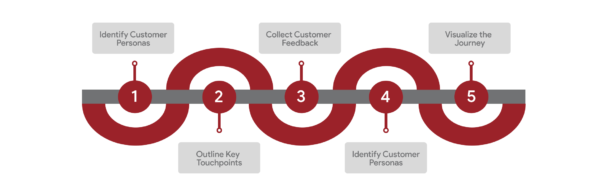
Businesses can significantly enhance customer satisfaction by understanding and mapping the customer journey across different channels. This process involves gaining a deep insight into how customers interact with their brand across various touchpoints. According to McKinsey, customers use an average of six touchpoints when making a purchase decision .
Creating Detailed Customer Personas
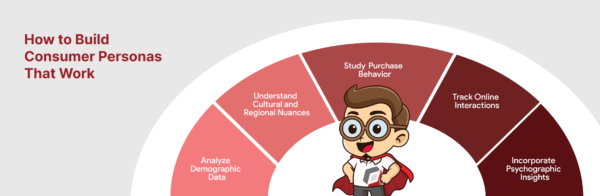
To effectively map the customer journey, we first need to create detailed customer personas that reflect the characteristics, preferences, and behaviors of consumers. This involves analysing demographic data, purchase history, and online behavior to create accurate and actionable personas.
Identifying Key Touchpoints and Moments of Truth
Identifying key touchpoints and moments of truth is crucial in understanding where and how customers interact with our brand. These touchpoints can occur across various channels, including social media, email, physical stores, and websites. By recognising these moments, we can tailor our marketing efforts to provide a seamless and engaging customer experience.
Understanding Channel Preferences by Demographic
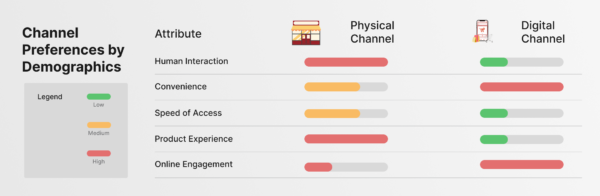
Different demographics exhibit varying preferences when it comes to communication and shopping channels. Understanding these preferences is vital for developing an effective omnichannel strategy.
Digital Channel Preferences
Younger demographics tend to prefer digital channels, such as social media and mobile apps, for their convenience and immediacy. Tailoring our digital presence to cater to these preferences can significantly enhance engagement. Mobile optimisation is particularly critical, as 61% of users are unlikely to return to a mobile site they had trouble accessing .
Physical Channel Preferences
On the other hand, older demographics may prefer physical channels, such as brick-and-mortar stores, where they can experience products firsthand. Ensuring that our physical stores offer a welcoming and informative experience is crucial. Brands are increasingly realising that most purchases still happen in-store, making the integration of physical and digital channels a top priority .
By understanding and catering to these diverse channel preferences, we can create a cohesive and customer-centric marketing strategy that integrates multiple channels, ultimately enhancing the overall customer journey.
Building a Unified Omnichannel Marketing Strategy
Creating a unified omnichannel marketing strategy is crucial for businesses aiming to provide a seamless customer experience across various channels. As we continue to navigate the complexities of modern marketing, it’s clear that a cohesive approach is necessary to meet the evolving expectations of consumers. Engaging experienced omnichannel marketing services can provide the framework and expertise needed to build this unified foundation effectively.
Developing Consistent Brand Messaging
A consistent brand message is the foundation of any successful omnichannel marketing strategy. We must ensure that our brand voice, visual identity, and core messaging are aligned across all touchpoints, from social media and email marketing to in-store promotions. This consistency builds trust and reinforces our brand’s value proposition. Documenting these guidelines in a central resource accessible to all team members is a critical first step .
Creating Channel-Specific Content That Remains Cohesive
While maintaining a consistent brand message, we also need to tailor our content to suit different marketing channels. This involves understanding the unique characteristics of each platform and crafting content that resonates with our target audience. For instance, content on Instagram might be more visually oriented, while email newsletters can provide more detailed information.
Implementing Cross-Channel Promotional Strategies
To maximise our reach and impact, we need to implement cross-channel promotional strategies that integrate our online and offline marketing efforts. This includes:
- Running social media campaigns that drive traffic to physical stores
- Using in-store promotions to encourage online engagement
- Creating unified promotional offers that can be accessed across multiple channels
Online-to-Offline Integration Techniques
One effective technique is to use online channels to drive foot traffic to physical stores. For example, we can create online-exclusive offers that customers can redeem in-store, or use geotargeting to send personalised messages to customers when they’re near our retail locations. Australian brands like Nudie have successfully integrated digital channels like social media with precision-targeted out-of-home advertising near key supermarket locations to create a seamless customer experience .
Offline-to-Online Conversion Tactics
Conversely, we can encourage offline customers to engage with our online platforms by offering in-store Wi-Fi, providing QR codes that link to online content, or offering loyalty programs that span both online and offline channels.
By implementing these strategies, we can create a truly unified omnichannel marketing approach that enhances the customer experience and drives business growth. As we move forward, it’s essential to continuously monitor and refine our strategy to ensure it remains aligned with our customers’ evolving needs and preferences.
Essential Technology for Implementing Omnichannel Marketing
Implementing omnichannel marketing requires a robust technological foundation. To deliver a seamless customer experience across various touchpoints, businesses must leverage a combination of cutting-edge technologies. Selecting the right omnichannel marketing services provider often includes access to enterprise-grade technology stacks that would otherwise be cost-prohibitive for mid-sized businesses.
Customer Data Platforms and CRM Solutions
A Customer Data Platform (CDP) is crucial for unifying customer data from disparate sources, providing a single customer view. When integrated with CRM solutions, businesses can gain a deeper understanding of customer behavior and preferences, enabling more personalised marketing efforts. Australian sports retailer INTERSPORT successfully used Klaviyo to centralise data from 87 stores and their ecommerce platform, transforming a reporting process that took three weeks into one that takes less than half an hour .
Marketing Automation Tools for Cross-Channel Campaigns
Marketing automation tools are essential for orchestrating cross-channel campaigns efficiently. These tools allow marketers to automate repetitive tasks, personalise content, and ensure consistent messaging across different channels, enhancing the overall customer experience.
Analytics Platforms for Omnichannel Measurement
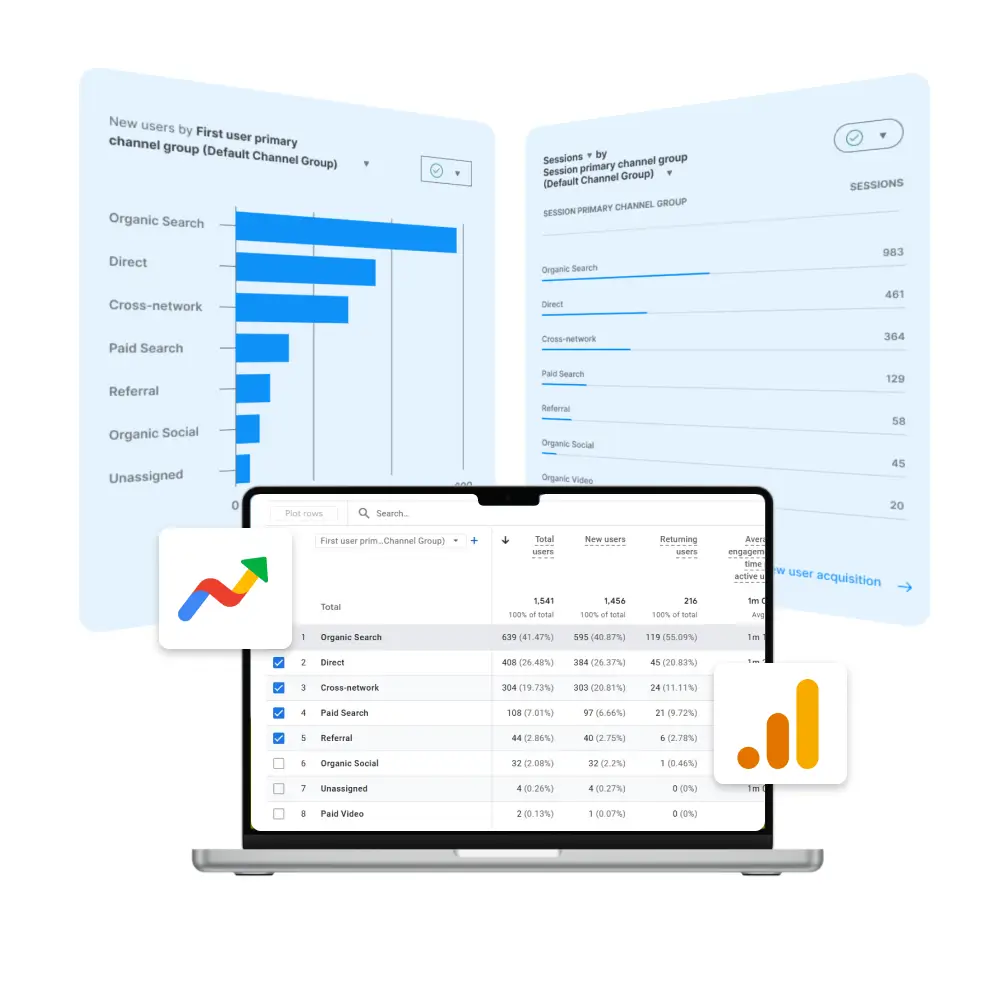
To measure the effectiveness of omnichannel marketing campaigns, businesses need analytics platforms that can track customer interactions across multiple channels. These platforms provide valuable insights into customer behavior, helping marketers optimise their strategies for better ROI. Multi-touch attribution models are particularly valuable, as they indicate how many conversions specific channels are responsible for .
Australian Compliance Considerations for Data Management
In Australia, businesses must comply with regulations such as the Australian Privacy Principles (APPs) when managing customer data. Ensuring data privacy and security is not only a legal requirement but also crucial for maintaining customer trust. With the decline of third-party cookies, businesses are advised to focus on first-party data strategies, prioritise contextual targeting, and implement privacy-compliant analytics .
By leveraging these technologies and adhering to compliance requirements, businesses can create a robust omnichannel marketing strategy that drives engagement and fosters customer loyalty.
Step-by-Step Guide to Executing Successful Omnichannel Campaigns
To achieve success in omnichannel marketing, businesses must follow a structured approach. This involves several key steps that help ensure a cohesive and effective campaign across multiple channels. Following a methodology backed by professional omnichannel marketing services can significantly reduce the risk of execution errors and fragmented messaging.
Defining Campaign Objectives and KPIs
The first step in executing a successful omnichannel campaign is to define clear objectives and Key Performance Indicators (KPIs). This involves setting specific, measurable goals that align with overall business objectives. For instance, a company might aim to increase sales by 15% within a quarter or boost customer engagement by 20% within six months.
Creating Integrated Content and Messaging
Developing content and messaging that is consistent across all channels is crucial. This ensures that customers receive a unified brand experience, regardless of how they interact with the brand. Consistency is key to building trust and reinforcing brand identity. Aligning the tone, style, and messaging of ads across CTV, mobile, and web avoids confusion that could harm engagement .
Orchestrating Channel Timing and Sequencing
Determining the right timing and sequence of messages across different channels is vital. This involves understanding customer behavior and preferences to deliver the right message at the right time. For example, a customer who abandons a shopping cart might receive a reminder email a day later, followed by an SMS with an exclusive offer.
| Channel | Timing | Message |
| Immediate | Thank you for your interest | |
| 1 day after | Reminder: Complete your purchase | |
| SMS | 3 days after | Exclusive offer: Use code CONVERT15 |
Implementing Real-Time Personalisation
Personalisation is a critical component of omnichannel marketing. By leveraging customer data, businesses can deliver personalised experiences in real-time. This could involve addressing customers by name, offering products based on their browsing history, or providing tailored recommendations. Research by Epsilon indicates that 80% of customers are more likely to purchase from brands that provide personalised experiences .
Monitoring and Optimising Campaign Performance
Finally, it’s essential to continuously monitor campaign performance and make necessary adjustments. This involves tracking KPIs, analysing customer feedback, and using data to inform future campaign strategies. By doing so, businesses can optimise their omnichannel campaigns for better results. Regular A/B testing helps identify what creatives and messaging bring the most value to different platforms .
By following these steps, businesses can create effective omnichannel campaigns that drive engagement and conversions. It’s about creating a seamless customer journey that is both personalised and consistent across all touchpoints.
Real-World Examples of Successful Omnichannel Campaigns
Australian businesses are increasingly adopting omnichannel marketing services to deliver seamless customer experiences across multiple channels. These real-world approaches show how a connected strategy drives engagement and measurable results.
One retail company faced inconsistent experiences across regional stores and its e-commerce platform. By centralising customer data and creating a single view of each shopper; covering both in-store and online behaviour; the company grew customer loyalty and significantly increased online sales.
A consumer goods business combined digital channels like social media with targeted out-of-home campaigns to guide customers from awareness to purchase. This integration created a smooth, cohesive journey and turned everyday interactions into meaningful brand experiences.
Overcoming Common Omnichannel Marketing Challenges
As businesses strive to deliver seamless customer experiences, they encounter various obstacles in their omnichannel marketing efforts. To successfully implement an omnichannel marketing strategy, it’s crucial to address these challenges head-on. Professional omnichannel marketing services are specifically designed to navigate these hurdles, providing solutions based on industry best practices.
Breaking Down Organisational Silos
One of the primary challenges is breaking down organisational silos. Different departments often have their own goals and metrics, which can hinder the creation of a unified customer experience. To overcome this, we need to foster a culture of collaboration and implement integrated technology platforms that allow for seamless data sharing across departments.
Managing Data Integration Complexities
Data integration is another significant challenge. With customer data scattered across various channels and systems, creating a single customer view can be daunting. We can address this by investing in robust data management solutions that can consolidate and analyse customer data from multiple sources. Fragmented data across channels makes it difficult to track user interactions, but centralising insights with relevant software provides a solution .
Balancing Automation with Human Touch
Finding the right balance between automation and human interaction is crucial. While automation can enhance efficiency, it’s equally important to maintain a human touch in customer interactions. We should leverage technology to personalise customer experiences without losing the personal element that customers value.
Addressing Budget and Resource Constraints
Businesses often face budget and resource constraints when implementing omnichannel marketing strategies. To overcome this, we can prioritise initiatives based on customer impact and ROI, and explore cost-effective solutions such as cloud-based technologies.
| Challenge | Solution | Benefit |
| Organisational Silos | Integrated Technology Platforms | Unified Customer Experience |
| Data Integration | Robust Data Management Solutions | Single Customer View |
| Automation vs Human Touch | Personalised Customer Experiences | Enhanced Customer Satisfaction |
| Budget Constraints | Prioritise High-ROI Initiatives | Optimised Resource Allocation |
Future-Proofing Your Omnichannel Strategy
As we’ve explored throughout this article, creating an effective omnichannel marketing campaign is crucial for businesses to stay competitive in today’s connected world. By implementing omnichannel best practices, companies can provide a seamless customer experience across various touchpoints, driving engagement and loyalty. The landscape is constantly evolving, which is why ongoing support from omnichannel marketing services can help businesses stay ahead of trends rather than scrambling to catch up.
To future-proof your omnichannel strategy, it’s essential to remain agile and adapt to evolving customer needs. This involves continuously refining your customer-centric marketing strategy to ensure it aligns with the changing preferences and behaviours of your target audience. New platforms like Nectar360 Pollen are emerging to solve industry pain points by combining audience insights, media planning, activation, optimisation, and measurement into a single platform, making running closed-loop retail media campaigns simple, seamless, and always customer-first .
By integrating marketing channels and leveraging the latest technologies, businesses can create a cohesive and personalised experience for their customers. As we move forward, it’s clear that the brands that will thrive are those that continue to innovate and invest in their omnichannel capabilities, ensuring they remain relevant and responsive to their customers’ needs. Whether building capabilities in-house or partnering with specialised omnichannel marketing services, the commitment to a unified customer experience will remain the defining factor between market leaders and followers.
FAQ
What is omnichannel marketing, and how does it differ from multichannel marketing?
Omnichannel marketing is a customer-centric approach that involves creating a unified brand experience across all channels, including social media, email, and in-store experiences. Unlike multichannel marketing, which focuses on individual channels, omnichannel marketing integrates all channels to provide a seamless customer journey where context is carried from one touchpoint to the next .
How do we define our omnichannel strategy goals?
To define our omnichannel strategy goals, we need to set clear business objectives, align marketing goals with customer needs, and establish measurable success metrics. This involves understanding our target audience, identifying key performance indicators, and creating a tailored strategy that meets our unique needs and customer expectations .
What technology is required to implement omnichannel marketing?
To implement omnichannel marketing, we require essential technology such as customer data platforms and CRM solutions, marketing automation tools for cross-channel campaigns, and analytics platforms for omnichannel measurement. We also need to consider Australian compliance considerations for data management to ensure regulatory requirements are met .
How do we map the customer journey across channels?
To map the customer journey, we need to create detailed customer personas, identify key touchpoints and moments of truth, and understand channel preferences by demographic. This involves exploring digital and physical channel preferences to tailor our marketing efforts to meet customer needs .
What are some common omnichannel marketing challenges, and how can we overcome them?
Common omnichannel marketing challenges include breaking down organisational silos, managing data integration complexities, balancing automation with human touch, and addressing budget and resource constraints. To overcome these challenges, we need to develop a cohesive strategy, invest in the right technology, and foster a customer-centric culture within our organisation .
How do we measure the success of our omnichannel marketing campaigns?
To measure the success of our omnichannel marketing campaigns, we need to define campaign objectives and KPIs, monitor campaign performance, and optimise our strategy based on data insights. This involves using analytics platforms to track customer behaviour, conversion rates, and other key metrics to refine our marketing efforts. Multi-touch attribution models are particularly effective for understanding channel impact .
What are some best practices for implementing an effective omnichannel marketing strategy?
Best practices for implementing an effective omnichannel marketing strategy include developing consistent brand messaging, creating channel-specific content that remains cohesive, and implementing cross-channel promotional strategies. We also need to focus on online-to-offline integration techniques and offline-to-online conversion tactics to create a seamless customer experience
Growth is intentional. Work with me, Jeff Javierto — your Digital Growth Partner — and let’s build a strategy designed to outperform your competition. Send a message and let’s start growing.